October 29, 2026
Embarking on a comprehensive home renovation is an exciting venture that transforms the heart of your living space. Among the numerous decisions you will encounter, selecting the right kitchen cabinets stands out as the most pivotal choice for both daily functionality and overall interior aesthetic. Cabinetry dictates the flow of your cooking area, defines your available storage capacity, and establishes the architectural tone for adjacent dining and living areas. Collaborating closely with experienced kitchen designers and licensed contractors ensures your layout remains practical, structurally sound, and visually appealing for decades to come.
Beyond daily convenience, investing in premium kitchen cabinets significantly enhances the market valuation of your property. Real estate experts consistently note that modernized kitchens provide exceptional returns on investment during home resales. Because cabinetry consumes a substantial portion of any renovation budget, working alongside certified design professionals helps you accurately evaluate construction methods, materials, door styles, and spatial configurations before placing orders. Partnering with seasoned industry specialists prevents costly ordering mistakes and guarantees an efficient cooking environment tailored precisely to your family's routine.
Assessing Storage Capacity and Daily Workflow
Evaluating Household Capacity Requirements
A successful remodel begins with a realistic assessment of what you intend to store. Take inventory of small appliances, cookware sets, serving platters, pantry goods, and everyday dishware to determine the vertical and horizontal volume required. Professional space planners can help you incorporate specialized kitchen cabinets, such as deep base drawers for heavy cast iron skillets or full-height pull-out pantries for dry goods, preventing countertop clutter. Certified remodelers calculate exact load distributions so that your personal cookware inventory fits comfortably without compromising structural shelves.
Designers can also specify custom interior organizers like vertical tray dividers, corner lazy Susans, or tiered cutlery inserts to optimize inaccessible corners. Modern layouts often combine traditional upper units with deep under-counter storage to improve accessibility for family members of all ages. Reviewing your blueprints with an experienced kitchen specialist ensures you plan sufficient space for growing culinary needs without requiring disruptive structural modifications later.
Optimizing Culinary Workflow Zones
Ergonomics and movement patterns are essential considerations when establishing cabinetry placement. The traditional work triangle—the geometric relationship connecting the primary cooktop, refrigerator, and prep sink—relies heavily on unobstructed access between stations. Poorly positioned kitchen cabinets can obstruct natural walkways or cause open appliance doors to collide with cabinet drawer fronts. Working with certified kitchen designers ensures dedicated work zones for food preparation, cooking, cleanup, and dry storage are mapped out with technical precision.
Traffic patterns around central kitchen islands require professional clearance calculations, typically between thirty-six and forty-eight inches. Placing trash pull-outs adjacent to the primary sink and dish storage within easy reach of the dishwasher minimizes unnecessary steps during cleanup. Design professionals anticipate clearance conflicts early, guaranteeing seamless movement even when multiple individuals work in the space simultaneously.
Selecting Cabinet Materials and Surface Finishes
Comparing Solid Wood and Engineered Options
Cabinetry longevity depends heavily on the core materials utilized in the cabinet box and face frames. Solid hardwoods such as maple, oak, and cherry deliver exceptional structural durability, timeless organic grain patterns, and remarkable resistance to gouges. However, solid wood expands and contracts with changes in ambient humidity, which is why knowledgeable millwork contractors frequently recommend pairing hardwood frames with dimensionally stable engineered plywood or high-density medium-density fiberboard (MDF) for large door panels and interior shelving.
High-grade plywood boxes hold screws securely and offer remarkable tensile strength against water exposure, making them a preferred standard among master cabinetmakers. For painted installations, professional finishers utilize MDF substrates to prevent hairline paint fractures along joint seams caused by seasonal temperature fluctuations. Consulting reputable cabinet suppliers guarantees you receive genuine furniture-grade materials that balance structural integrity, aesthetic appeal, and financial value.
Exploring Contemporary Metal and Laminate Materials
For modern, industrial, or minimalist interiors, non-traditional materials provide fresh design opportunities. Commercial fabricators craft stainless steel kitchen cabinets that offer unmatched hygiene, fire resistance, and protection against heavy moisture, making them ideal for high-traffic architectural spaces. Although stainless steel commands a premium price tag, experienced metal fabricators can seamlessly integrate custom welded sinks and countertops into the casework.
Thermafoil and high-pressure decorative laminates present budget-conscious alternatives that mimic natural wood grains or vibrant solid colors. Modern laminates resist chipping, scratching, and fading, though they remain sensitive to extreme radiant heat generated by self-cleaning ovens or nearby dishwashers. Working with specialized installers ensures protective heat shields and commercial-grade adhesives are applied correctly to prevent edge-banding delamination over time.
Choosing Distinctive Door Profiles and Glass Inserts
Selecting Traditional and Shaker Profiles
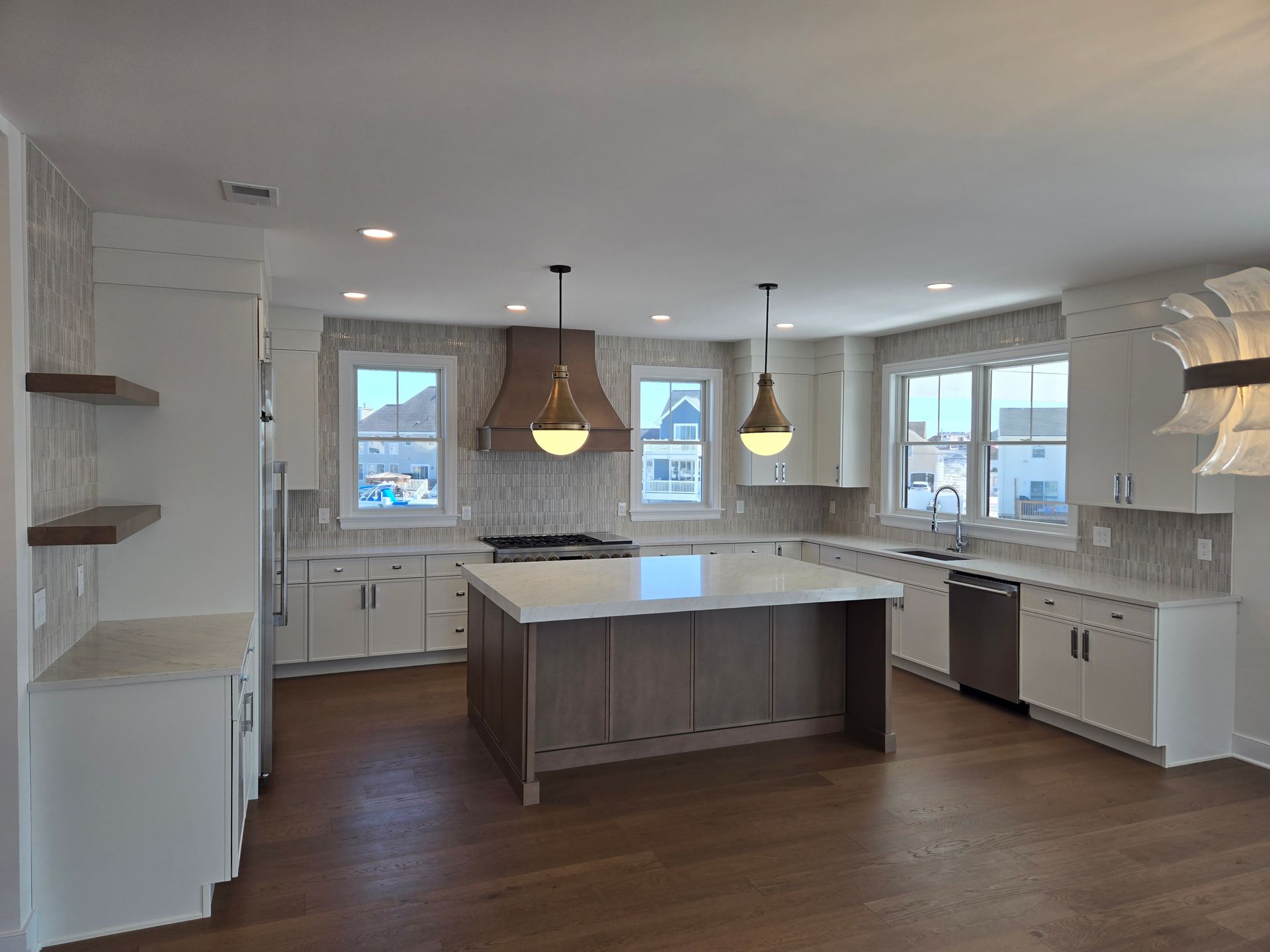
The architectural profile of your cabinet doors establishes the visual texture of the room. Shaker-style kitchen cabinets remain an enduring favorite among professional interior designers due to their clean recessed center panels and simple rectangular frames. Their versatile geometry transitions effortlessly between classic farmhouse, transitional, and contemporary suburban homes, making them a reliable choice for long-term aesthetic appeal.
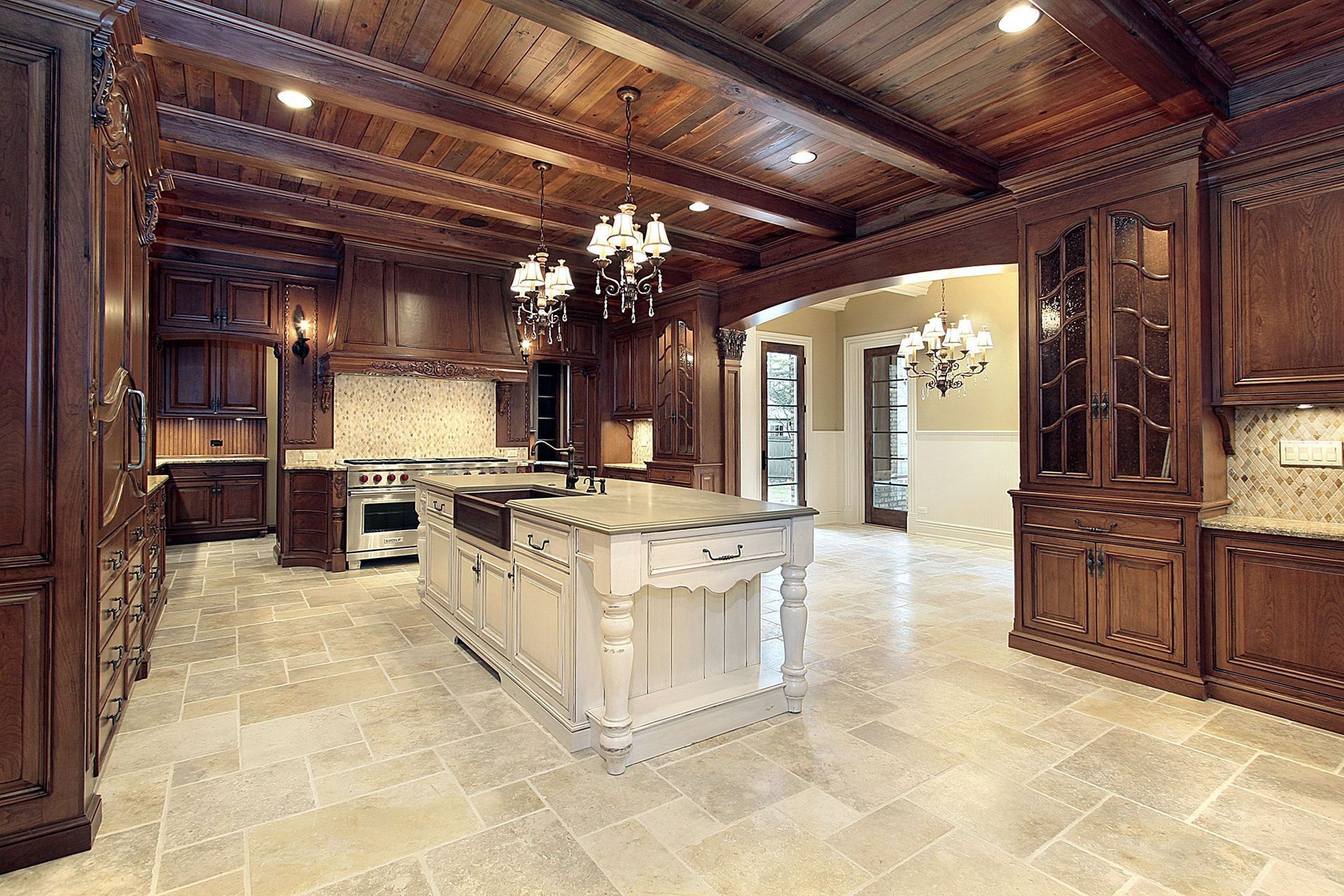
For formal or historic residences, raised-panel doors featuring intricate ogee moldings and decorative applied trim add visual weight and grandeur. Experienced architectural millworkers can replicate historic profiles to match your home's original moldings, fluted corbels, and decorative millwork. Engaging exterior and interior design consultants ensures door profiles mirror your home's broader interior trim, creating seamless architectural cohesion throughout every living area.
Refining Decorative Finishes and Hardware Accents
Coordinating Paint Colors and Wood Stains
The finish applied to cabinetry sets the atmospheric tone for the entire room. Crisp white and soft off-white paints remain timeless options that reflect light, creating an airy feel in smaller layouts. Meanwhile, dramatic shades such as deep navy, hunter green, and charcoal gray introduce depth and sophistication, frequently recommended by design consultants as grounding colors for lower perimeter units or central islands.
Natural wood stains celebrate the organic knots, character marks, and grain movements of timber species. Warm walnut and light white-oak stains have surged in popularity, harmonizing with organic modern design schemes. According to Mordor Intelligence, the kitchen cabinets market is estimated to reach $124.42 billion by 2031, demonstrating the industry's continued innovation in factory-applied coatings and durable finishes. Professional paint shops utilize multi-stage catalyzed conversion varnishes applied in controlled spray booths, offering scratch and moisture resistance that field-applied paint can never duplicate.
Balancing Surface Sheen and Hardware Accents
Surface sheen levels dictate how light interacts with cabinetry surfaces throughout different times of the day. Matte and satin sheens provide understated elegance while effectively concealing fingerprints, water spots, and surface dust in busy households. Semi-gloss and high-gloss sheens bounce ambient light dynamically across contemporary layouts, though they require routine wiping to maintain their pristine appearance.
Cabinet pulls and knobs serve as jewelry for your kitchen cabinets, tying together plumbing fixtures, light pendants, and appliance trims. Unlacquered brass, matte black, brushed nickel, and polished chrome offer distinct design statements. Working alongside an interior designer guarantees that hardware drill templates, center-to-center pull dimensions, and scale proportions are calculated accurately prior to drilling through expensive finished door faces.
Carefully selecting your kitchen cabinets ensures that your remodeling investment produces lasting dividends in functional efficiency, day-to-day comfort, and long-term property equity. However, realizing the full potential of high-quality cabinetry requires partnering with qualified industry professionals from conception to final adjustment. By entrusting your project to licensed contractors, certified kitchen designers, and professional cabinet installers, you eliminate costly guesswork and protect your investment against structural failures or installation defects. Expertly crafted and professionally installed cabinetry bridges the gap between utilitarian performance and artistic expression, ensuring your kitchen remains a stunning, functional centerpiece for decades to come. Contact Taylor Made Cabinets to get started today.